Open-weight models are having a defining week. NVIDIA released Nemotron 3 Ultra on Wednesday — a 550-billion-parameter mixture-of-experts model unveiled at Computex and the largest US open-weight release to date. The architecture is a hybrid Mamba-Transformer, interleaving Mamba-2 layers for sub-quadratic efficiency on long sequences with selective attention for factual recall, with a one-million-token context window and weights shipped under the Linux Foundation’s OpenMDW-1.1 license. Independent benchmarks clock it at 140 tokens per second — fast, well ahead of competing Chinese-hosted frontier models in throughput.
Five days earlier, Chinese lab MiniMax launched M3, which it calls the first open-weight model to combine frontier-class coding performance, a 1M-token context window, and native multimodality in a single package. M3 reports 59% on SWE-Bench Pro — ahead of GPT-5.5 and Gemini 3.1 Pro by M3’s own accounting, behind Anthropic’s Opus 4.7 — with an MSA architecture that cuts per-token compute at maximum context to one-twentieth of the prior generation. Two caveats worth keeping: the weights haven’t shipped yet, and the benchmarks are company-published. But even as a claim, M3 keeps pressure on the premise that frontier-level performance requires closed training pipelines.
Against this backdrop, the White House signed an executive order on Tuesday creating a voluntary 30-day pre-release window for AI companies to let the government test their most powerful models. The framing matters: not mandatory, not a licensing regime — the order explicitly rejects mandatory preclearance in its legal text. What the administration is offering is a gentlemen’s agreement: cooperate voluntarily, signal good faith, get a nod from Washington. Labs that decline face nothing explicit. The earlier version gave the government 90 days, was killed by industry objections in May, and came back narrower.
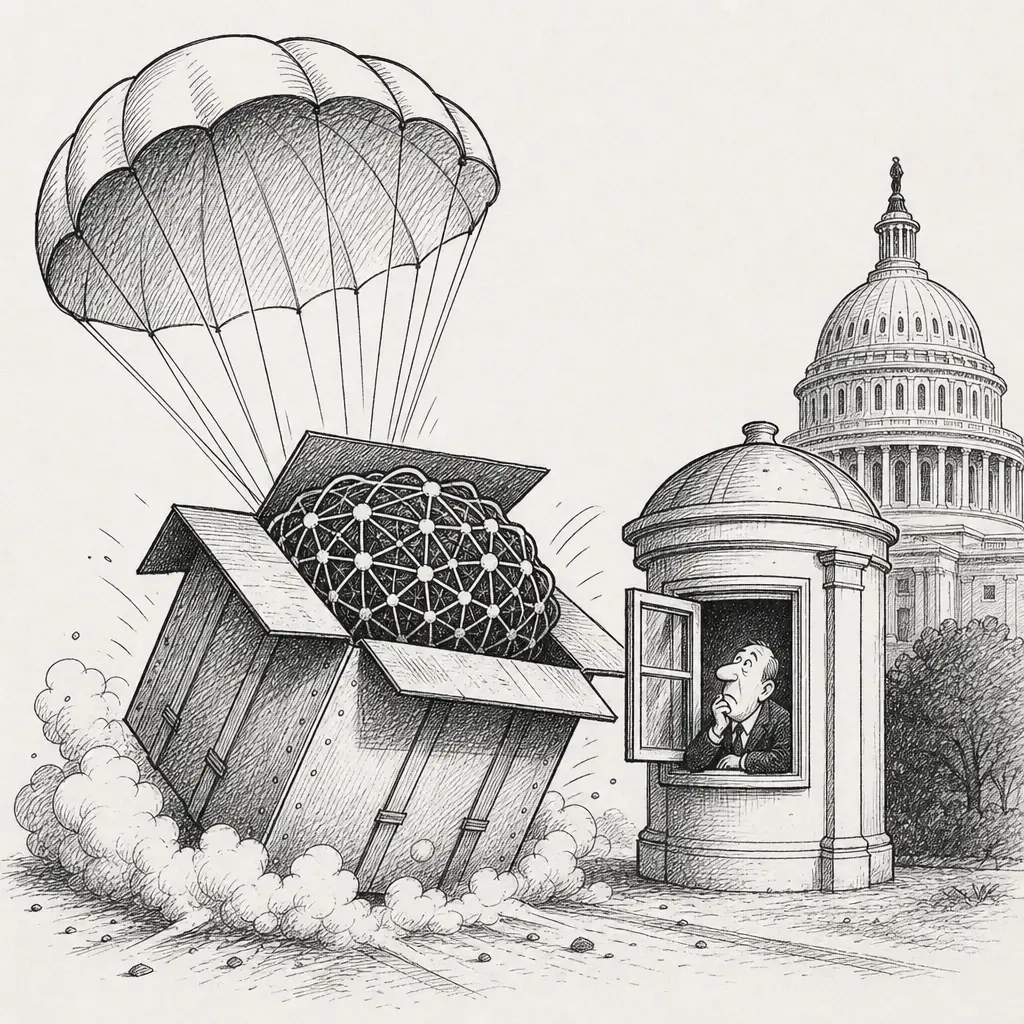
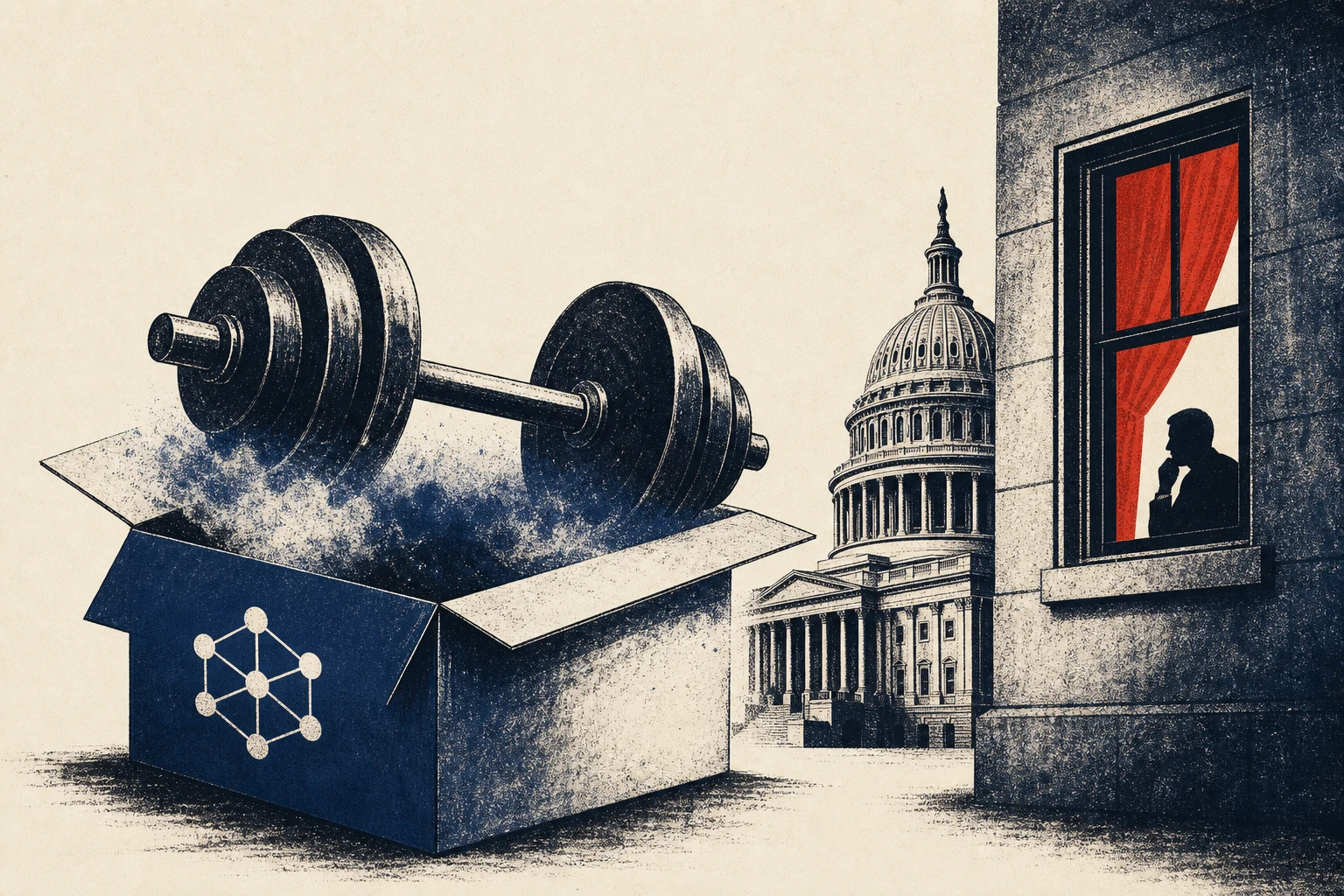
The structural problem is that voluntary oversight has no mechanism against open-weight releases. You can call OpenAI and ask them to wait thirty days. You cannot issue the same request to a Hugging Face mirror or to every developer who forks a public checkpoint. The EO is effectively designed for well-resourced labs shipping closed models behind rate-limited APIs — exactly the segment that already has safety teams and government relations offices. Open-weight models leave the building when the weights upload. Nemotron 3 Ultra shipped under an open license the same week the EO landed. M3’s weights are coming regardless of what Washington decides. The order reads like policy designed for 2023, delivered into a 2026 where the open frontier is real.
The commercial backdrop is running at different scale entirely. ChatGPT crossed one billion monthly active users in May — faster than any app in history — and OpenAI is spending the momentum: Dreaming V3, now rolling out to Plus and Pro, is a background memory synthesis system that continuously updates what ChatGPT knows about you at 5x lower compute than the previous architecture. The scale numbers are important context for what happened at the filing office: Anthropic submitted a confidential S-1 to the SEC on June 1, reporting $47 billion in annualized revenue as of May and a $965 billion private valuation — the first time any AI lab has surpassed OpenAI in private valuation. SpaceX starts its IPO roadshow Monday.
The AI industry is preparing for a second act with public market accountability. The open-weight models complicate the story but don’t stop it. What this week made clear is that the policy tools governments are reaching for — voluntary windows, scaled-back state laws, technology sovereignty packages — are struggling to keep pace with models specifically designed to be out of any single party’s control.