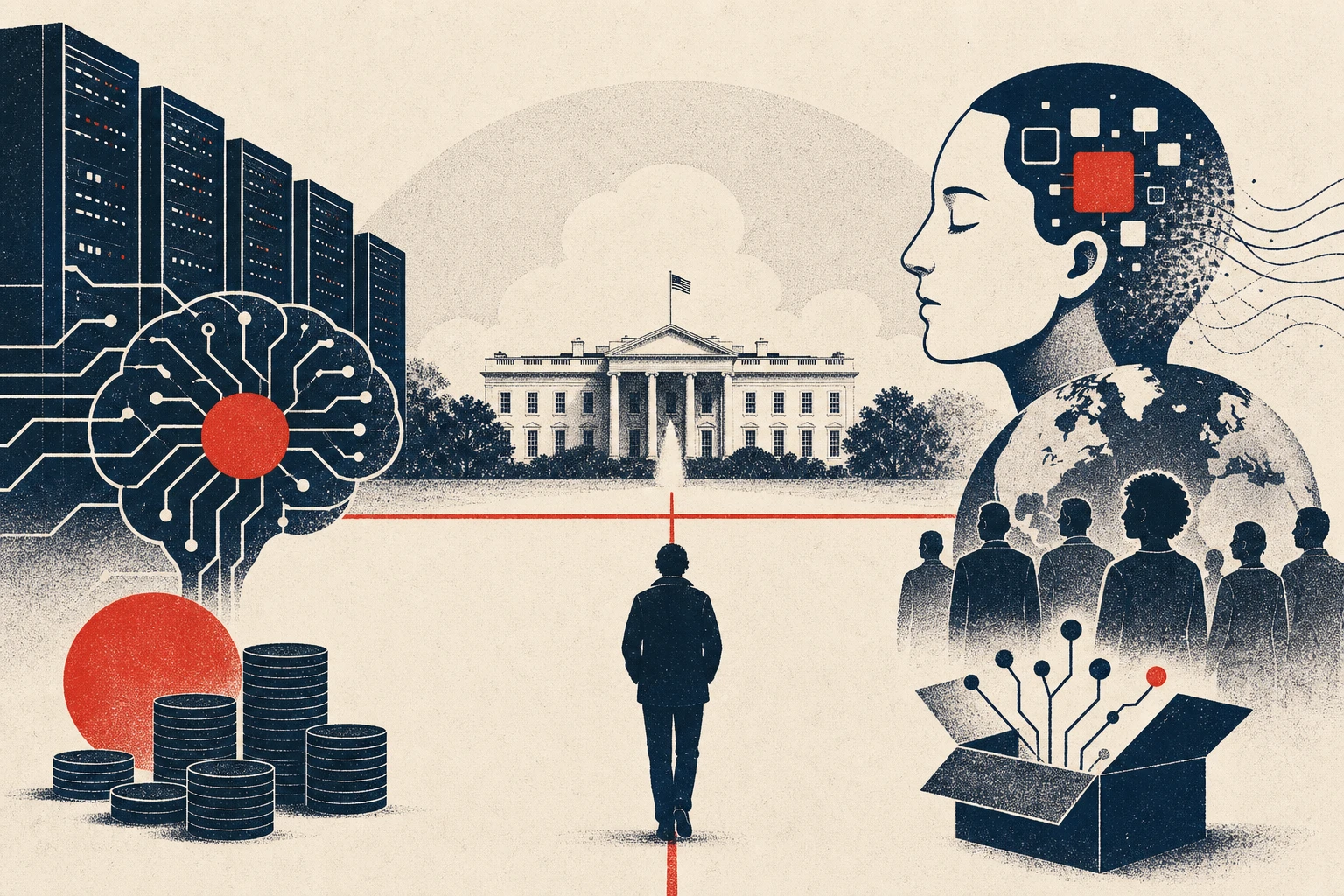
Something accelerated this week—not in the gradual way that AI has been accelerating for two years, but in the “several things that would each normally be a milestone are happening at once” way.
Start with money. On June 1, Anthropic confidentially filed for an IPO after closing a $65 billion Series H at a $965 billion post-money valuation. Investment bankers expect a public debut above $1 trillion, likely in October. For context: Anthropic was at $380 billion in February—it more than doubled in roughly four months. The driver, by broad consensus, is Claude Code, which has taken enterprise coding market share from OpenAI. OpenAI, not coincidentally, is also preparing to file confidentially for its own IPO, targeting a September listing at $730 billion. The two largest Western AI labs are now in a race to cross the trillion-dollar line as public companies.
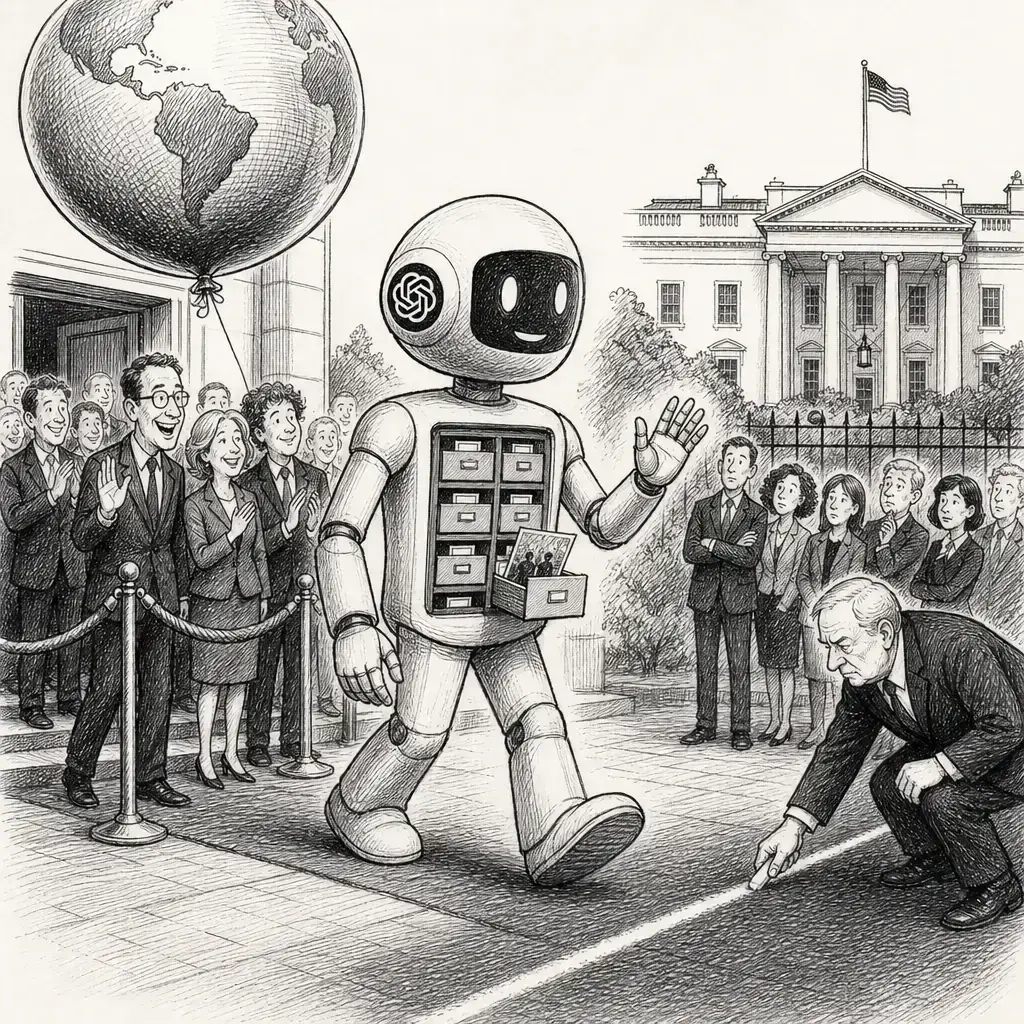
Meanwhile, OpenAI is going personal. On June 4, the company began rolling out Dreaming V3—a complete overhaul of ChatGPT’s memory system. The old approach was a manually curated list of saved facts about you. Dreaming V3 replaces it with a background synthesis process that reads across years of conversations and updates what the model remembers without any user action. It’s time-aware: “you’re going to Singapore in July” becomes “you went to Singapore in July 2026” once the trip passes, automatically. OpenAI calls this “dreaming” because the consolidation happens asynchronously, the way human memory is thought to solidify during sleep. The bet embedded here is that the long-term relationship between user and model is the core product. Relevant timing: ChatGPT crossed one billion monthly active users this week, the fastest app ever to that milestone.
In Washington, the Trump administration issued its AI executive order on June 2. The headline provision asks companies to voluntarily provide the government with early access to frontier models for up to 30 days before public release. “Voluntarily” is carrying the whole argument: earlier drafts set the window at 90 days; the anti-regulation wing pushed it to 30. The order explicitly prohibits mandatory licensing or preclearance requirements. The administration also announced a cybersecurity clearinghouse for sharing vulnerability information across the industry. Message, unambiguous: Washington wants to be informed, not in control.
The price floor drops
One thread runs beneath all of it: frontier-grade intelligence is getting cheaper, fast. Alibaba’s Qwen 3.7 Max, launched at the Alibaba Cloud Summit in late May, has pulled serious developer attention. It tops Claude Opus 4.6 on several agentic benchmarks, handles a 1-million-token context, and sustains over 35 hours of continuous autonomous execution. Cost: $7.50 per million output tokens. Claude Opus 4.7 runs $30.00. A four-to-one pricing gap for a model that, on several measures, competes directly—and Qwen isn’t alone. MiniMax M3, also released this month, is the first open-weight model to combine frontier-level coding, a 1M context window, and native multimodality, scoring 59% on SWE-Bench Pro. The open-weight frontier is catching up faster than anyone predicted twelve months ago.
The week, taken together, looks like a phase transition: public markets, a billion users, persistent memory, and price compression that no individual Western lab can fully defend against. Every inflection point was visible months ago; what’s new is that they’re all arriving together.