Three days after the US Department of Commerce issued an export control directive suspending foreign-national access to Fable 5 and Mythos 5, both sides have stopped being diplomatic. David Sacks, the Trump administration’s AI and crypto czar, confirmed publicly that the White House asked Dario Amodei to fix the jailbreak or pull the model before the directive was issued — and Amodei refused. Anthropic’s counter: it had only been given “verbal evidence” of a “narrow, non-universal jailbreak,” and considers pulling a model used by hundreds of millions of customers an inappropriate response.
Both things can be true. The jailbreak could be real and the export control response could still be excessive. What’s harder to dispute is that there’s no established process here. No commercial AI model has been pulled this fast by government directive, with this little public legal authority cited, and no clear timeline for restoration. A model that launched June 9 — 80.3% on SWE-Bench Pro, first to exceed 90% on Hex’s analytical benchmark — is now offline longer than it was live. Anthropic met with White House officials on June 15. No resolution.
The summit table
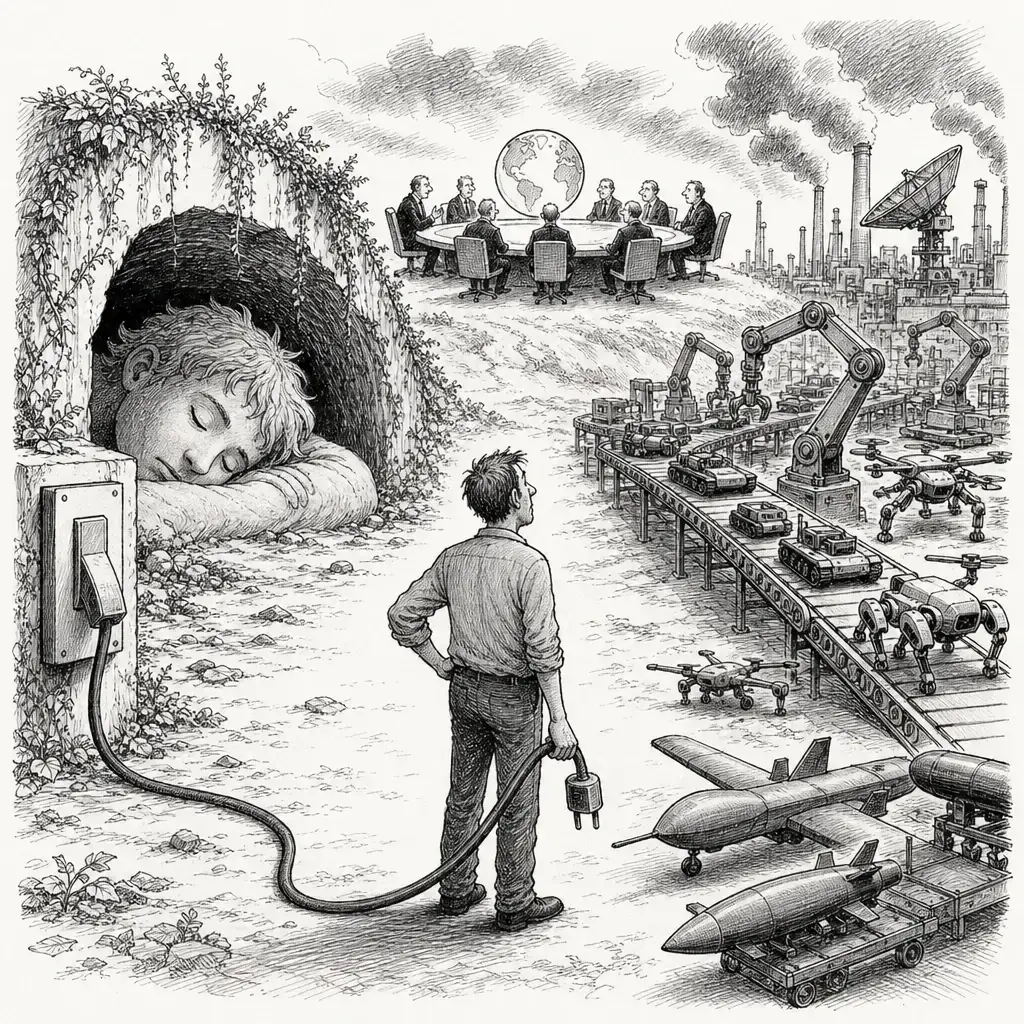
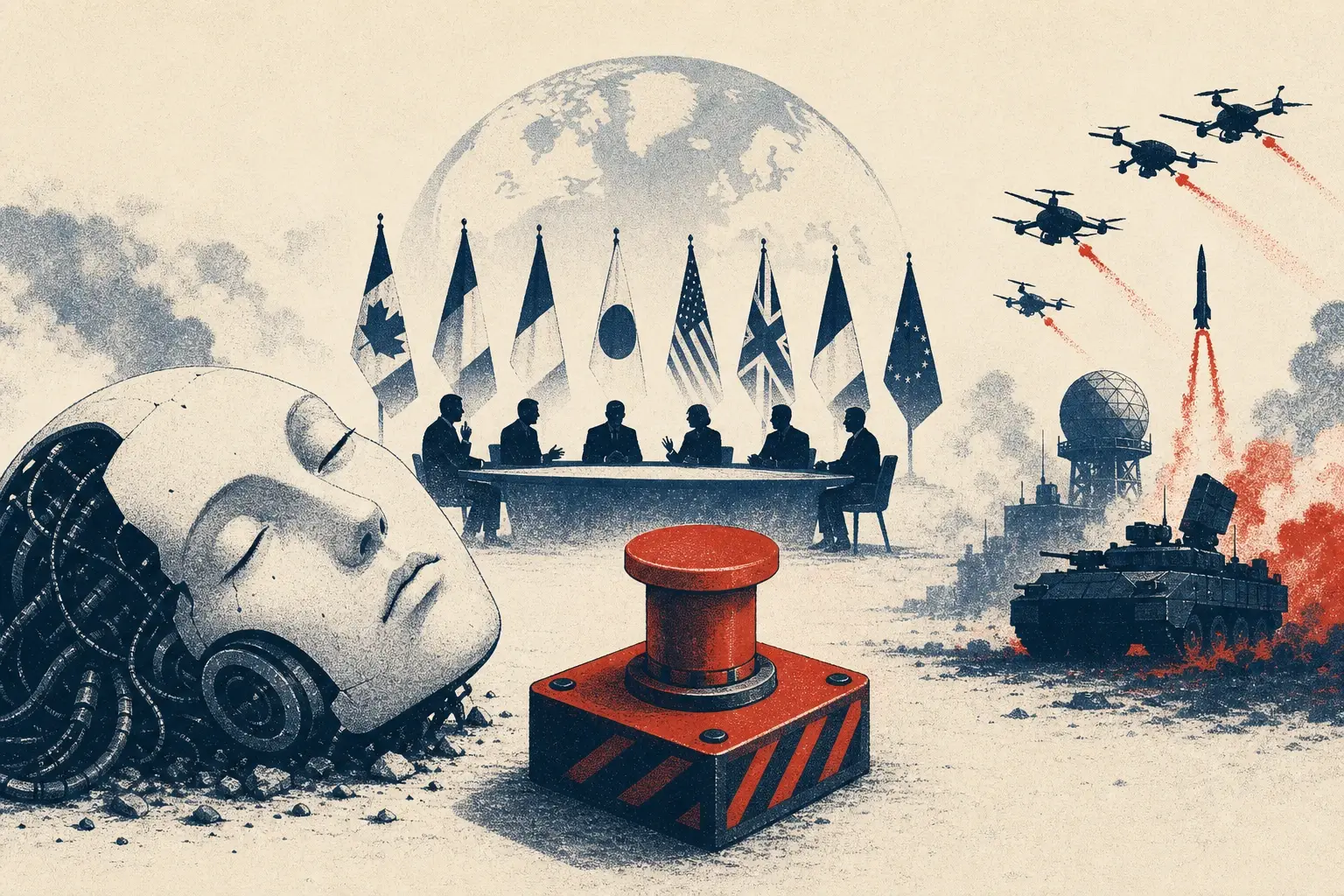
This is the week Sam Altman, Dario Amodei, and Demis Hassabis are in Évian-les-Bains for the G7’s AI working lunch — the first G7 where all three major frontier labs are represented. The symbolic read: the companies most capable of building dangerous AI are being seated with the governments theoretically responsible for governing it. The practical read: both sides want something from the other, and neither has leverage the other fully accepts.
The expected outcome is a package of voluntary commitments — youth safety, biosecurity disclosure, synthetic DNA screening — consistent with the letter those labs signed to Congress ten days ago. What isn’t on the voluntary-commitment agenda is what the week actually demonstrated: a government with authority it chose to exercise, a lab that disputed it, and no procedure to resolve the dispute except waiting. The G7 working lunch doesn’t have language for that yet.
While the conference runs
The backdrop worth naming: autonomous-weapons investment surpassed $14.6 billion in the first five months of 2026, exceeding last year’s full-year record of $9.6 billion. The Pentagon is running a mandatory 90-day rewrite of DoD Directive 3000.09 — its foundational autonomous weapons policy — with results due September. That directive mandates “appropriate levels of human judgment” in autonomous systems. At the scale of investment being deployed — drone swarms, autonomous platforms across 26 vehicle classes — that requirement has, in some companies’ own engineering documentation, become a constraint on performance rather than a safeguard.
The G7 meeting in Évian will produce a statement. The defense AI sector is operating on a different tempo entirely. When the world’s largest democracies discuss AI safety today, these are not the same conversation.