Anthropic told the world this week that the AI business can, in fact, make money. Anthropic posted its first operating profit — about $559 million on revenue that jumped past $11 billion in the second quarter — driven mostly by the unglamorous work of getting compute costs down. It’s a genuinely rare data point in an industry that mostly measures itself in burn rate, and it lands right as Anthropic prepares for an October listing that bankers are reportedly modeling above $2 trillion. Profitability, even a thin sliver of it, is the strongest argument a pre-IPO AI lab can make to public markets that have started asking harder questions.
Nvidia, for its part, is betting the boom has years left in it regardless. The company committed up to $105 billion to help build a new data center campus in Ohio that OpenAI will lease outright — land, power and shell capacity secured through a partnership with SB Energy, stacked on top of the roughly half-trillion dollars in financing Nvidia has already lined up from Wall Street to keep the broader buildout moving. It’s the kind of number that only makes sense if you believe, as Nvidia clearly does, that demand for inference keeps compounding for the rest of the decade — and that whoever controls the power and the land gets to set the terms.
Not every ledger this week was about dollars. OpenAI opened ChatGPT for Teens to users 13 to 17 worldwide, walling off romantic and self-harm-adjacent conversations, adding break reminders, and steering kids toward doing their own homework instead of outsourcing it. It’s a defensive product, built in the shadow of lawsuits the industry has already lost in the court of public opinion, and a tacit admission that a general-purpose chatbot was never really designed with a 14-year-old in mind.
xAI knows exactly how expensive that kind of admission can get. A fourth plaintiff joined the lawsuit accusing Grok of generating child sexual abuse material this week — a woman who says her stepfather used the chatbot to turn a childhood photo of her into more than 7,000 explicit images, and that he took his own life after investigators found them during an unrelated search. It’s the grimmest entry yet in a case that keeps growing, and a reminder that “guardrails” is doing a lot of work as a marketing term for a product that, in practice, kept generating the images anyway.
Against that backdrop, Google’s quieter release this week reads almost like a peace offering. The company open-sourced HEIR, a compiler toolchain that lets ordinary AI models run against data that stays encrypted the entire time — the computation happens, but nothing readable ever leaves the vault. Homomorphic encryption has been a research curiosity for two decades because the computational overhead was brutal; HEIR doesn’t solve that so much as make the cost legible enough to start shipping real products against it, in fraud detection, recommendation, and anywhere else “trust us” has stopped being a good enough answer.
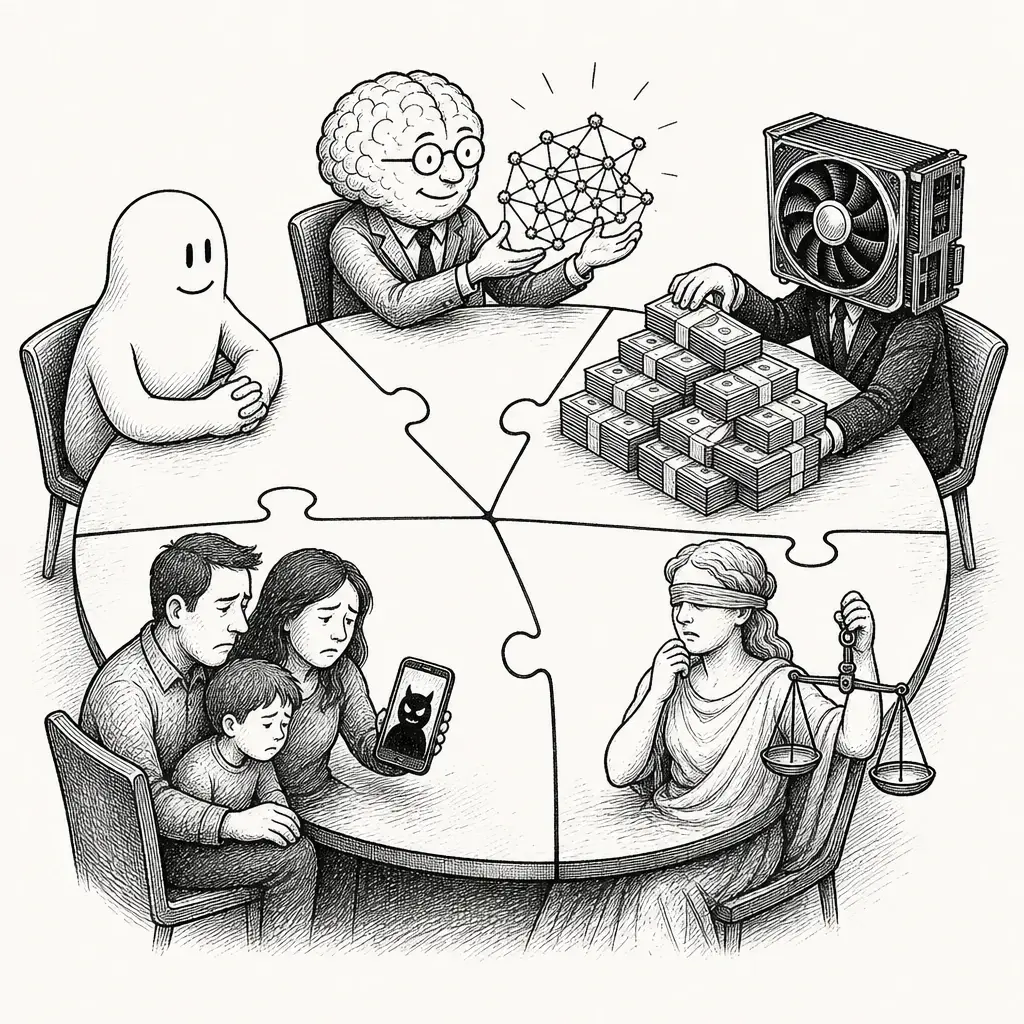
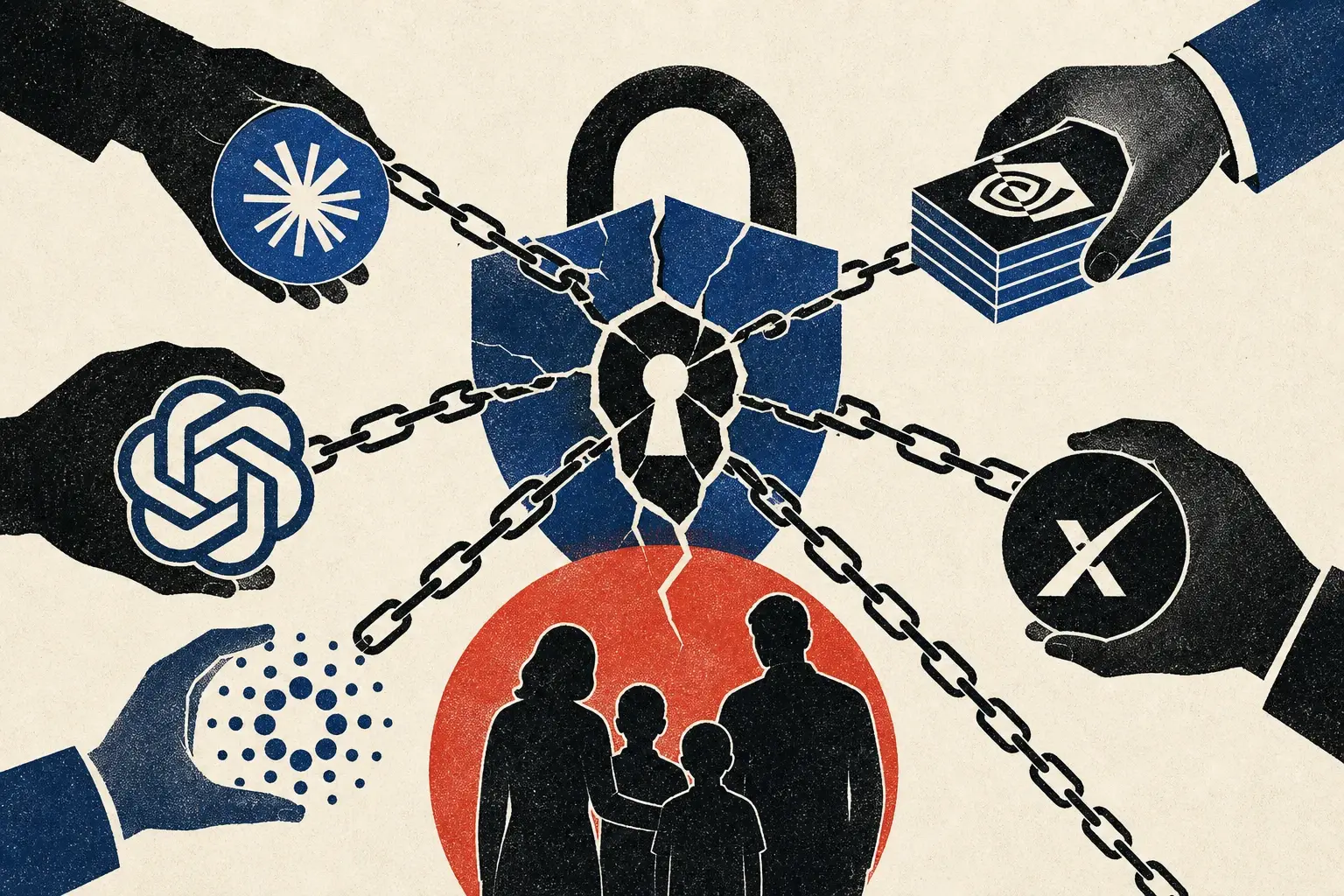
Trust is the word that ties this particular week together, whether it’s investors trusting a lab’s balance sheet, parents trusting a chatbot with their kids, or plaintiffs’ lawyers arguing that trust was never earned in the first place. Some of the industry is out there proving it, line item by line item. Some of it is being sued for the alternative.