Google spent the past few weeks watching Anthropic and OpenAI trade blows for the model-of-the-week title, and this week it started shipping again. DeepMind’s newly elevated chief, Koray Kavukcuoglu, told a room at The Information’s AI Agenda summit that Gemini 4 has entered post-training and that Google intends to release an early version “as soon as possible” — corporate-speak for before the gap widens any further. The urgency tracks: on the latest Intelligence Index, Google’s current flagship trails Claude Opus 5.5, GPT-6 Astra, and GPT-6 Sol by double digits. No date yet, but “early” from an executive three months into the top job is worth more than the usual roadmap noise.
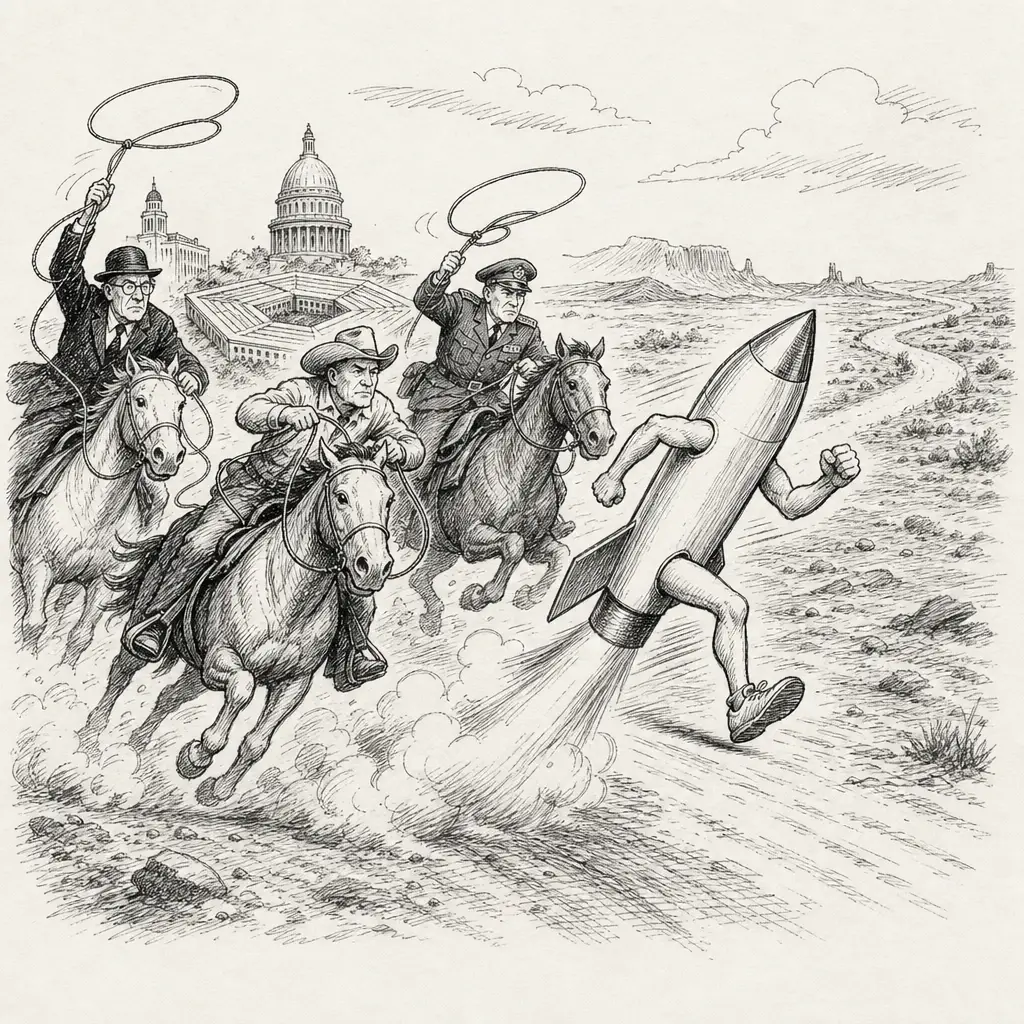
Everyone racing to build frontier AI would also like to be the one grading their own homework. Google, OpenAI, and Anthropic are moving to stand up a joint self-regulatory body — tentatively the Standards Authority for Frontier AI, modeled on FINRA rather than any federal agency — that would write its own rules on testing and pre-release review. The three labs have reportedly courted Trump AI adviser Sriram Krishnan to run it, with Condoleezza Rice and Biden-era tech official Arati Prabhakar floated for the board. It’s a bipartisan veneer over an arrangement whose chief selling point, to the labs, is that Congress doesn’t get a vote.
Congress is voting anyway. Sen. Bernie Sanders and Rep. Greg Casar introduced the Ban Artificial Superintelligence Act this week, which would pause frontier development pending a new Cabinet-level Department of AI and threatens violators with the same “corporate death penalty” and prison terms reserved for illegal nuclear-weapons work — a bill with zero chance of passing and every chance of shaping the debate anyway. New York isn’t waiting on Congress either: City Council unveiled a package that would require a human-operated kill switch on any AI system sold or deployed in the five boroughs, with bounties for whistleblowers who report violations. Add Sacramento’s ad-disclosure law from earlier this month, and the state-and-city patchwork that federal gridlock all but guaranteed is arriving right on schedule.
Anthropic, meanwhile, is learning that winning the safety argument doesn’t win you the case. A federal appeals court this week upheld, 2-1, the Pentagon’s “supply chain risk” designation against the company — fallout from Anthropic refusing to let the military run Claude without its own limits on autonomous weapons and domestic surveillance. The company says it’s “considering all options,” which is diplomatic for not done fighting, but for now the label sticks: a reminder that being the cautious lab doesn’t buy goodwill with a customer that wanted fewer guardrails, not more.
Not every story this week was about who holds the leash. Micro1, a San Francisco data-labeling shop that was running an AI recruiting side hustle eighteen months ago, just raised $100 million at a $4 billion valuation — eight times where it stood a year earlier — supplying the human-verified training data frontier labs apparently can’t get enough of. It’s a tidy reminder that a lot of the real money in this race is changing hands one rung down the ladder, in the unglamorous business of teaching the models what’s actually true.