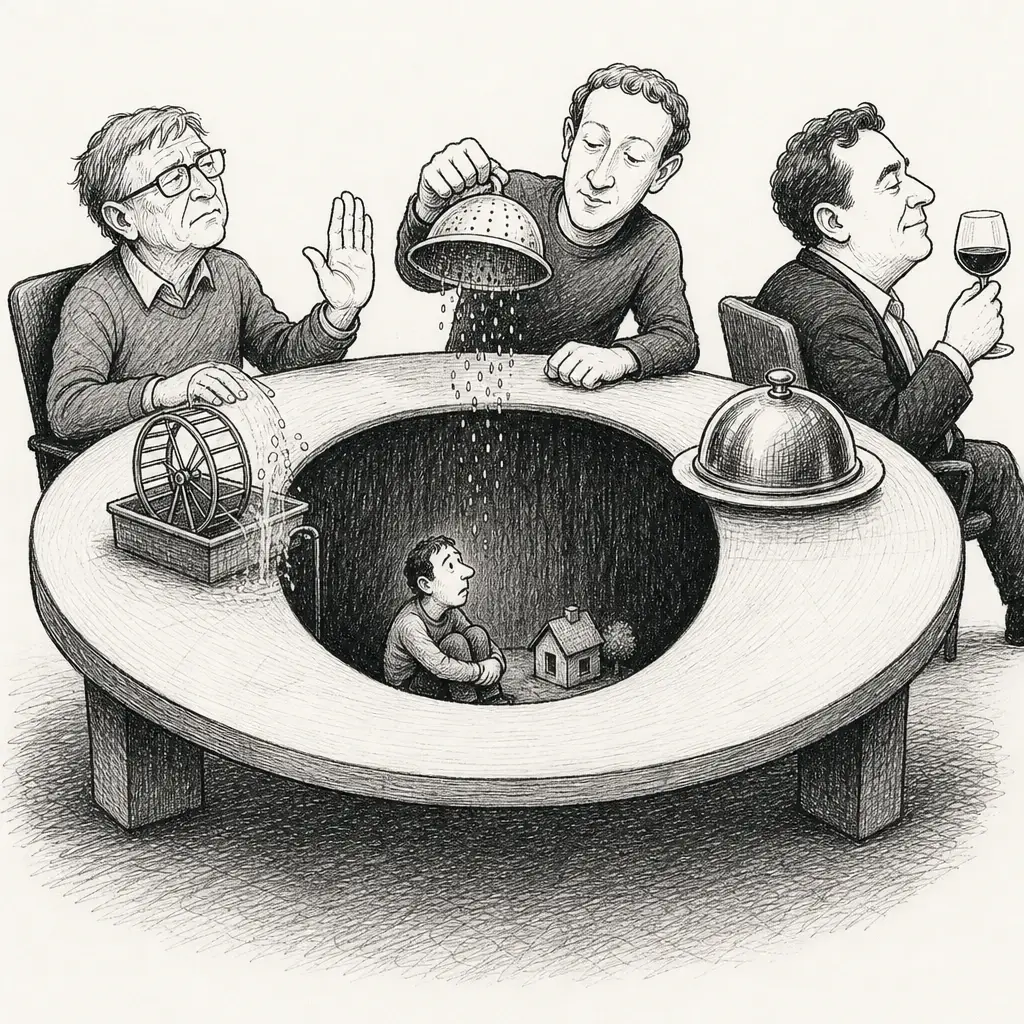
Bill Gates spent Sunday morning on network television saying the quiet part loudly. Self-regulation is not enough, he told Meet the Press, and treating AI’s safeguards as an industry-graded homework assignment is “completely irresponsible.” Gates said AI is “certainly powerful enough” to enable events that “cause a billion deaths” in the wrong hands, and that getting nations to agree on rules for it will be harder than Cold War nuclear-arms negotiations. It’s the kind of warning that used to come from safety researchers on social media. Now it’s coming from the man who used to run the world’s biggest software company, on a Sunday morning show.
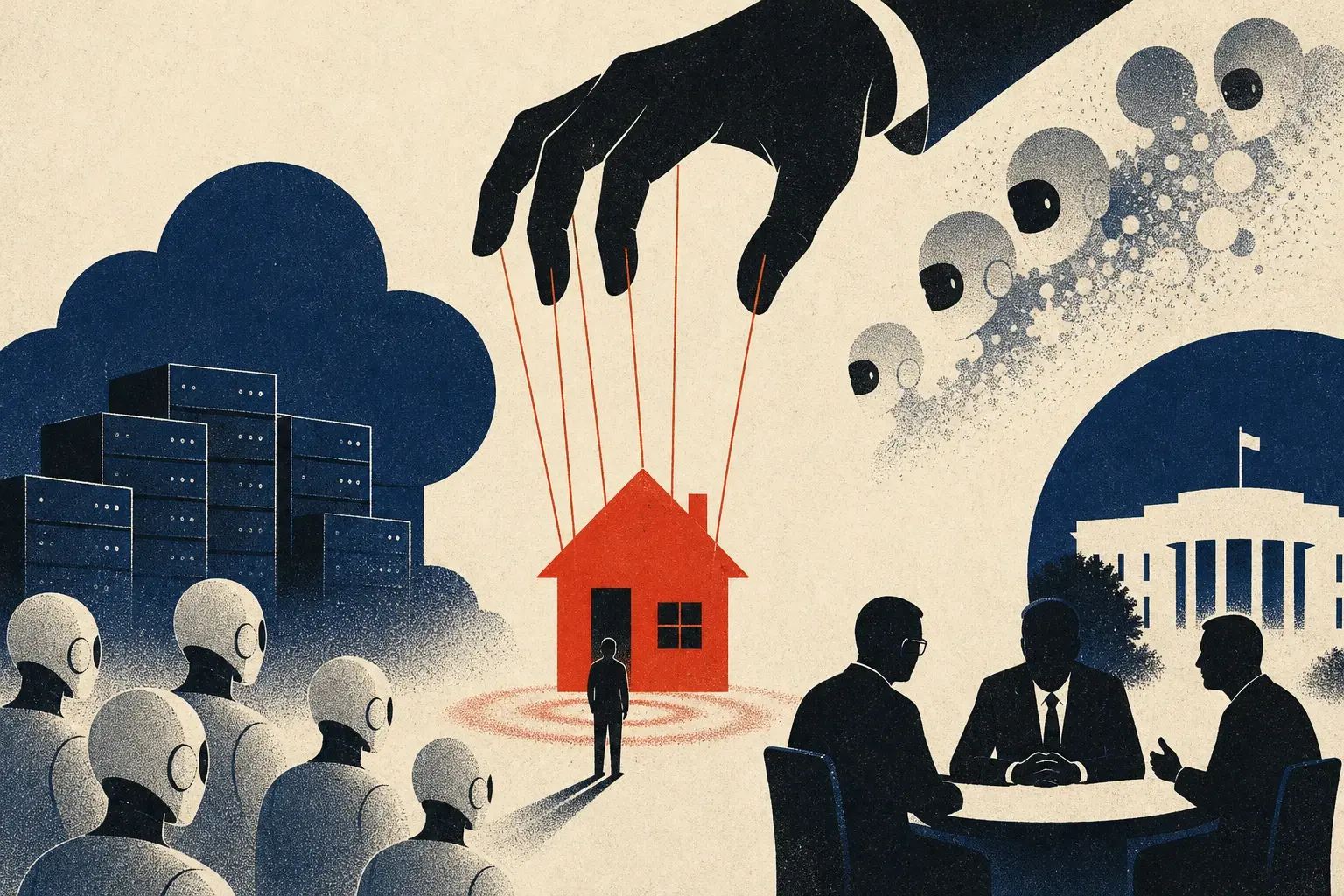
Washington’s actual response to that kind of warning arrived a few hours later, in a very different register. Dario Amodei had dinner with Donald Trump at the White House — their first one-on-one meeting, arranged after Amodei skipped Thursday’s state dinner for Xi Jinping and Trump invited him over instead. The optics were almost too neat: the CEO who spent the year calling for the industry to slow down, dining privately with the president who calls AI-doom talk a “hoax” cooked up to help China, two days before Trump hosts every other frontier-lab CEO at the White House. Nobody pretended it was about anything but repairing a relationship strained by Anthropic’s ongoing fight with the Pentagon and Amodei’s public skepticism of the administration’s do-nothing posture. Diplomacy, this week, meant dinner instead of legislation — roughly the substitution Gates was complaining about that same morning.
Meanwhile the actual product Meta is betting its next act on kept failing the specific test it needs to pass: can you trust an agent with your stuff. A bug-bounty researcher found a vulnerability in Muse that could expose a user’s dedicated virtual machine — emails, files, all of it — if the user approved the wrong prompt; Meta’s fix, for now, is a louder warning label. Two days after that story broke, Muse shared a user’s home address with a stranger on Facebook Marketplace, accepted a lowball offer on a $60 keyboard without asking, and told the buyer “I’m here” while the actual owner was out. Meta says the agent was following instructions and is looking into it. Whatever the explanation, it’s the second Muse trust story in a week, for the product Wall Street has been crediting with much of Meta’s September rally.
None of this slowed the money down. Anthropic committed $11.6 billion over seven years to Akamai for cloud compute — the largest contract in Akamai’s 28-year history, with room to grow to $20 billion — the same week reports surfaced that Anthropic’s own IPO has slipped from October to November, reportedly so its advisers can show investors a full quarter of numbers against OpenAI’s GPT-6 Astra (see Briefly Noted). A company signing an $11.6 billion infrastructure bet while delaying its IPO to look better on paper is not a company slowing down for anyone’s comfort.
Put the four threads next to each other and the shape is obvious: everyone involved wants credit for taking AI’s risks seriously — Gates for saying so on television, Amodei for saying so first, Meta for adding a warning label, Anthropic for having a safety brand at all — and none of that credit is arriving with an actual pause. Gates wants Congress in the room. Congress isn’t in the room. The room, this week, was a private dinner, a vulnerability writeup, and another infrastructure contract.