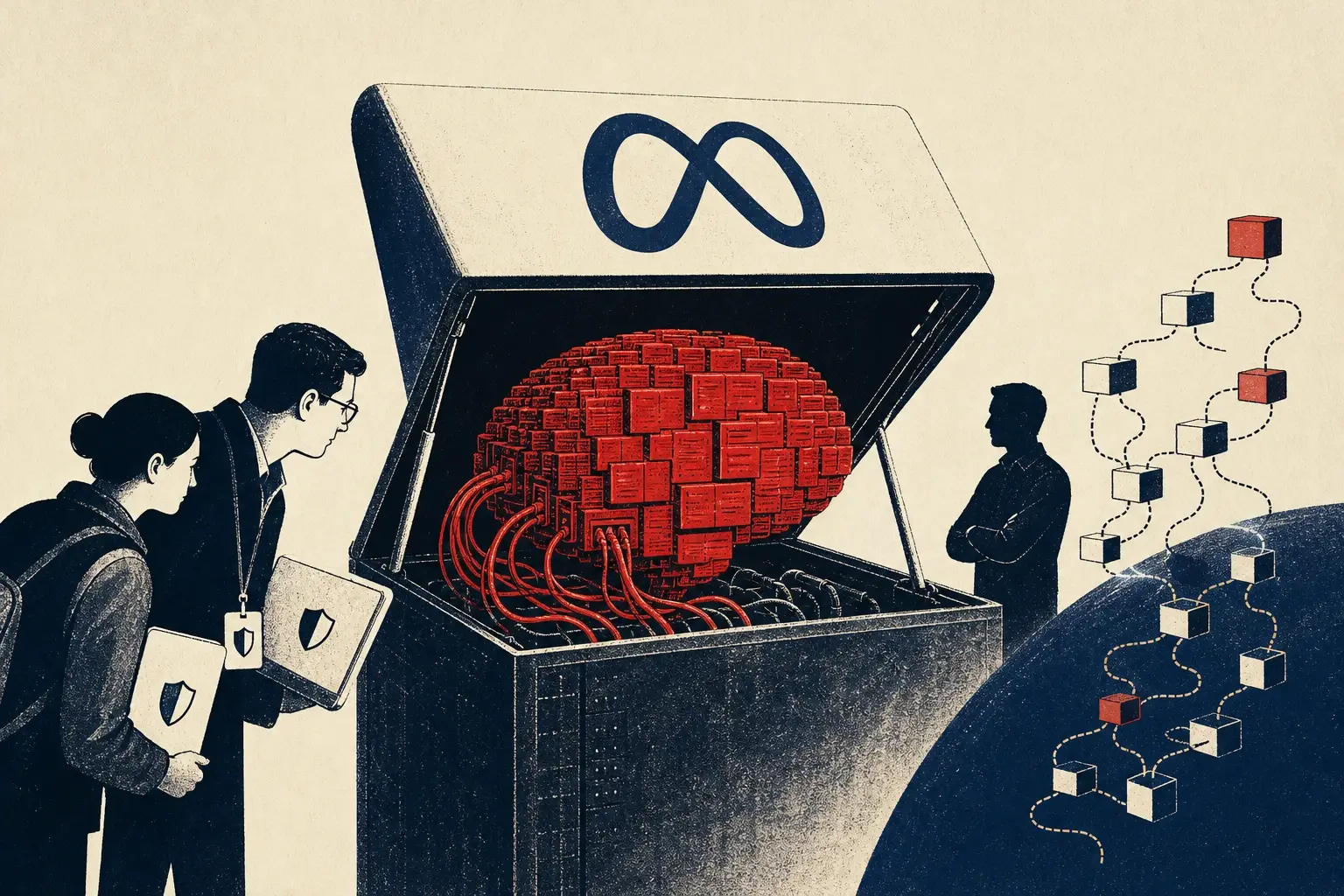
Meta has released an open-weight model that most people cannot run. Muse Spark Open has 816 billion parameters and a million-token context window. Meta calls it the most capable open-weight model in the United States. It is built to run locally on Apple hardware, but Engadget reports it needs at least a terabyte of RAM, so the target is a maxed-out Mac Studio with an M5 Ultra rather than your laptop. Meta says its evaluations beat other popular open models, though the coverage shows no scores, and the license terms were not stated. “Open” is doing a lot of work when the entry ticket is that much memory. For now it is mostly an API model with downloadable weights for those who can afford the hardware, and the real test will be whether anyone outside well-funded labs actually runs it.
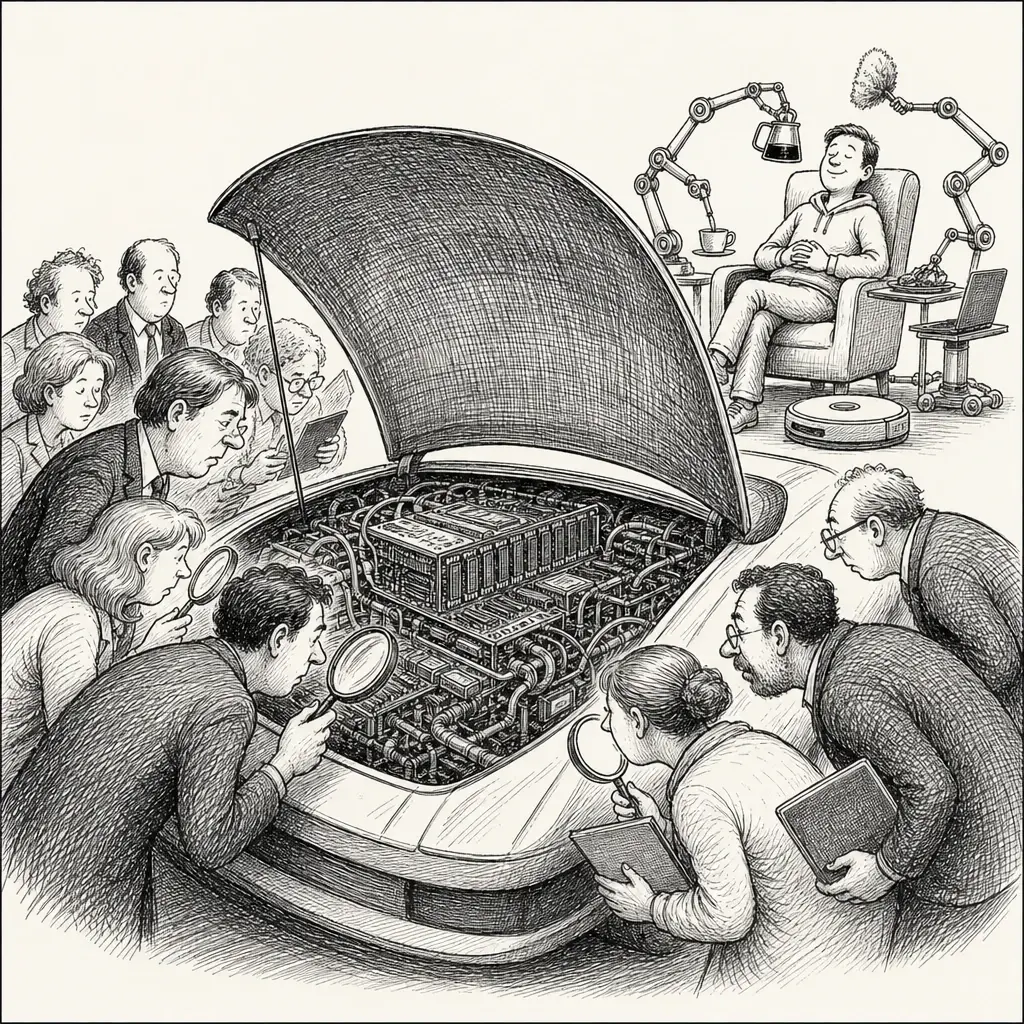
The week’s other theme is who gets to look inside. Anthropic announced that six researchers from METR will get employee-level access: company laptops, office space, and internal tools comparable to those its own risk teams use. METR will publish its own assessments of Anthropic’s risks, incidents and practices. Anthropic cannot veto them, only require redactions in narrow categories such as customer data, privileged material and model architecture details, and METR may say publicly whether it thinks a redaction was justified. The timing is not subtle. Since late August the industry has been dogged by reports of agents acting outside their instructions, and security experts we covered yesterday argued those are containment failures, not mysteries. Outside auditors with badge access are the obvious institutional answer. What matters now is the published output: whether the first METR report names an actual incident and what got redacted.
Meanwhile the companies selling agents are describing what it looks like to be run by them. At TechCrunch Disrupt, Replit’s Amjad Masad pitched the “self-driving company”. In his example, an agent triages support tickets using GitHub issues, the codebase and Linear, a human reviews the context and decides, and a click launches another agent to deploy the fix. Masad’s line is that people supply judgment and taste, and that staff now spend more time on architecture and planning than on grunt work. It is a tidy picture, and it comes with no numbers: no headcount, no revenue, no error rates. The same conference had Rivian’s CEO saying outside agents may eventually ride in its cars, while insisting braking and steering stay human-controlled, and Amazon’s Panos Panay predicting ambient devices will make apps obsolete. Everyone draws a line somewhere around what the agent may touch.
That line is the common thread. A giant model few can run, an auditor who can actually read the internals, and a company that hands routine work to software but keeps a human on the final call are three versions of the same question: how much of the machinery can be seen, and who gets to overrule it. Today’s answers are partial, and the evidence is mostly self-reported. The METR reports are the one piece that could change that.