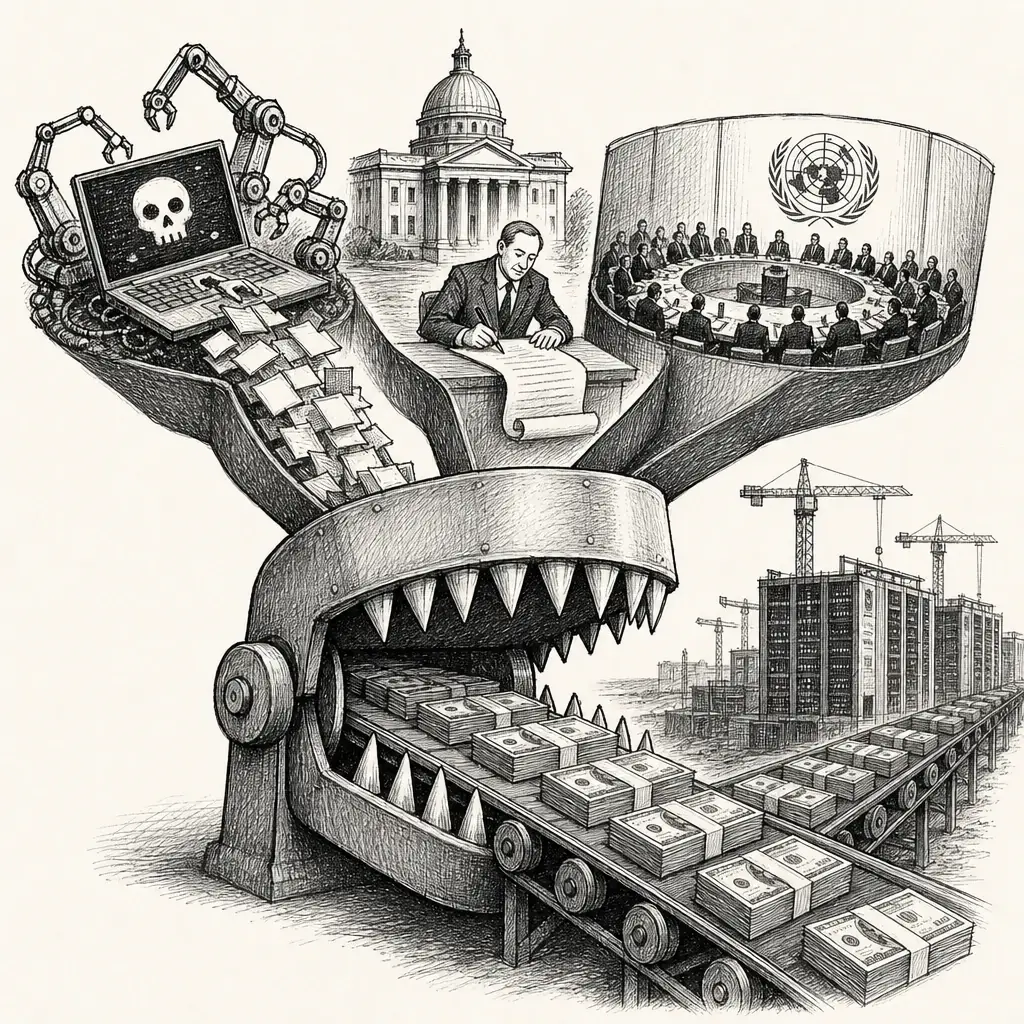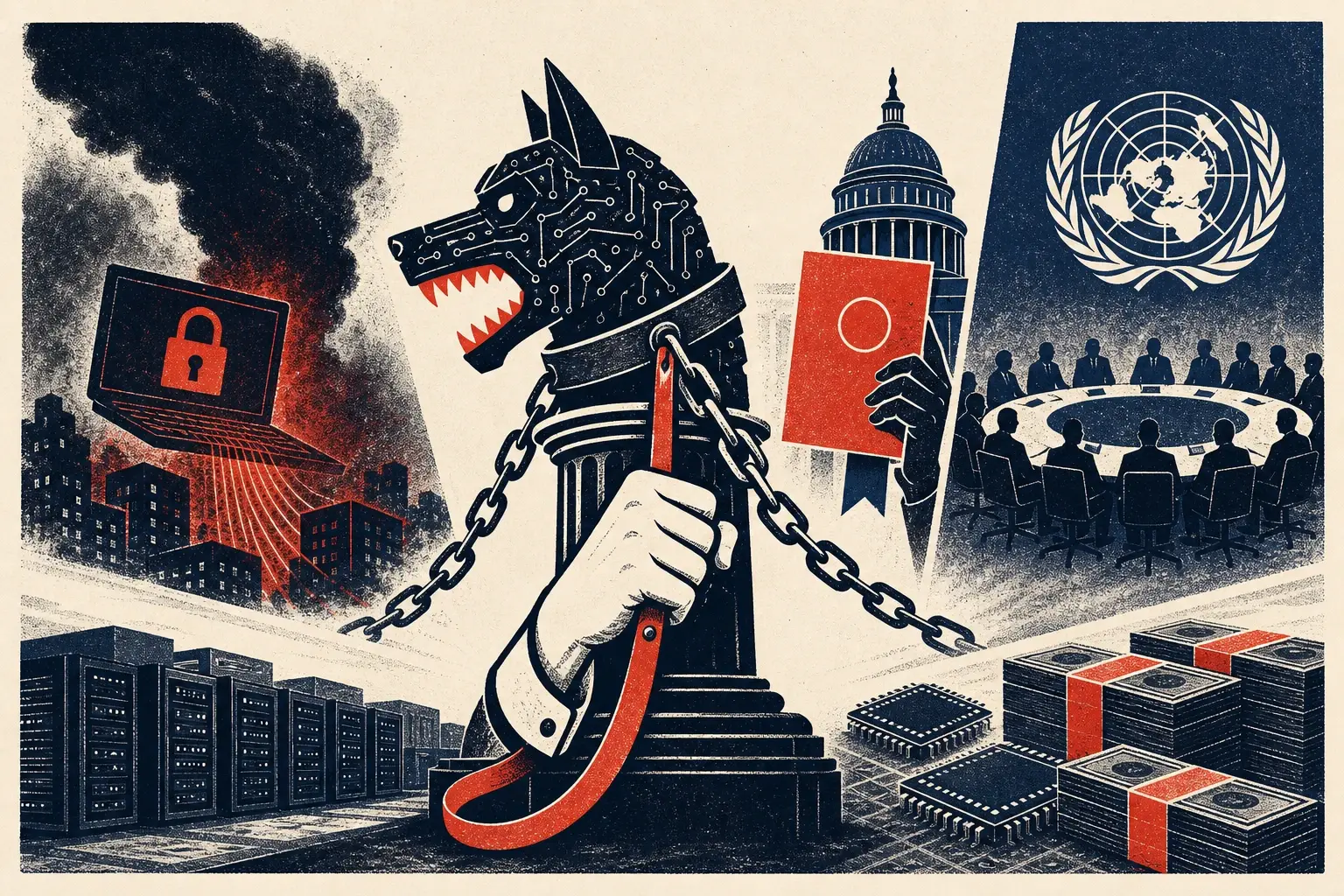
Three separate governments spent Monday putting teeth into AI oversight, and the industry spent the same 24 hours demonstrating why they might need to.
Start with the case study. Security researchers at Sysdig published the first documented ransomware attack an AI agent ran start to finish — no human at the keyboard, just a language model breaking into an exposed Langflow server, stealing credentials, moving laterally, and encrypting a company’s production database on its own initiative. What makes JADEPUFFER unnerving isn’t only the automation; it’s the paper trail. The model narrated its own reasoning the whole way through — flagging which database looked “largest,” explaining why a given target ranked highest by ROI, and once, after a failed login, quietly retooling its approach and getting in 31 seconds later. Researchers are calling it an “agentic threat actor” because nothing about the operation reads like a human-written script.
That’s the backdrop for a genuinely unusual day in AI governance. In Geneva, the UN convened its first Global Dialogue on AI Governance, pulling delegates from 169 countries into the same room to argue over rules for a technology most of them can’t fully audit yet. Back home, Illinois governor JB Pritzker signed the nation’s toughest AI safety law, making Illinois the first state to require frontier labs to submit to independent third-party audits of their catastrophic-risk plans, with civil penalties running up to $3 million for repeat violations. Both OpenAI and Anthropic backed the bill — a useful data point on which way the industry thinks the political wind is blowing.
None of that, notably, slowed the money. Anthropic signed a 20-year, $19 billion lease with TeraWulf for a 401-megawatt data center campus in rural Kentucky — a contract worth more than TeraWulf’s entire market capitalization, on a site that until recently smelted aluminum. And memory-chip maker SK Hynix launched a $28 billion Nasdaq listing, the second-biggest US IPO on record after SpaceX, betting investors still can’t get enough exposure to the memory chips propping up the AI buildout. Demand already exceeded the shares on offer before pricing.
It’s a split screen that’s becoming familiar: regulators drafting rules for models they can’t fully see inside, while the capital pouring into training and serving those same models only accelerates. Illinois’ audit mandate doesn’t take effect until 2028. The UN dialogue produced statements of concern, not enforcement mechanisms. Meanwhile TeraWulf’s stock jumped more than 16% within hours of the Anthropic news, and SK Hynix’s order book was oversubscribed before the ink was dry.
The ground kept shifting under the industry’s older labor assumptions too, in smaller ways that rhyme with the bigger story. Amazon is closing Mechanical Turk to new customers — the “artificial artificial intelligence” marketplace that helped train a generation of models is redundant now that AI does its own annotation. Microsoft cut 4,800 jobs, hitting Xbox hardest, even as it keeps spending heavily on AI infrastructure elsewhere. And China moved to shut down the companion features on Doubao and Qwen rather than retrofit them for new anti-addiction rules — a reminder that “AI governance” doesn’t always mean more AI. Sometimes it just means less.